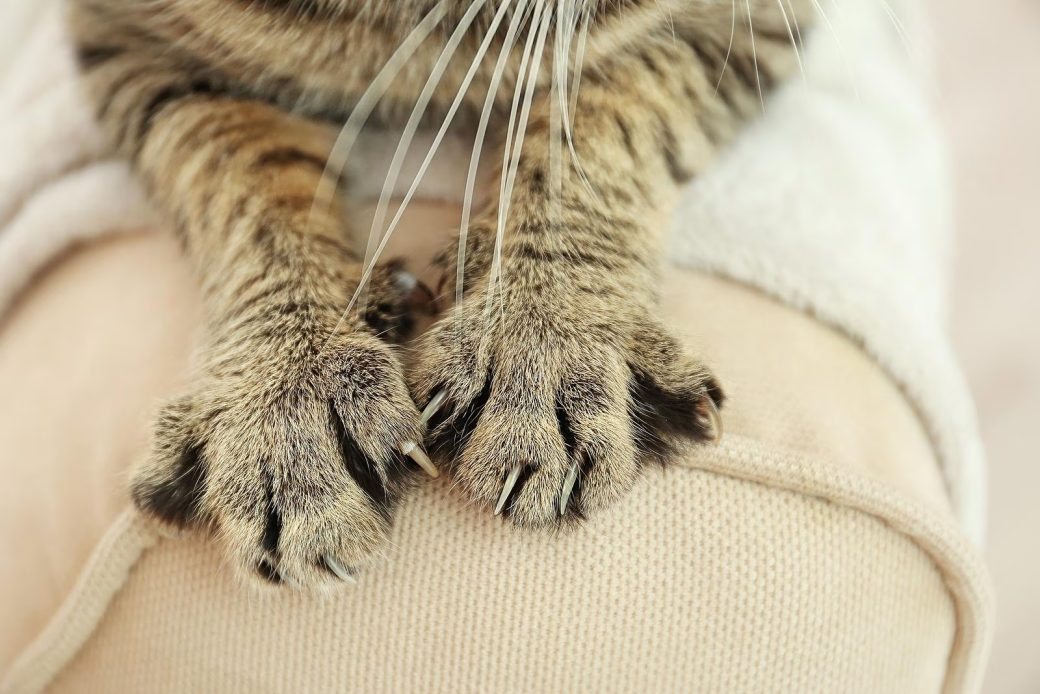
Recognizing The Kneading Behavior In Cats
If you’ve ever owned a cat, you’ve probably noticed the rhythmic pressing of their paws on soft surfaces like blankets, pillows, or even your lap. While it can seem like a random quirk, kneading happens in particular moments—when a cat is relaxed, settling in, or seeking comfort. Many cats knead immediately after waking or before a meal, while others do it during affectionate interactions with humans. These patterns are not coincidental; they reflect the cat’s emotional state and environmental preferences. By carefully observing when and where your cat kneads, you can begin to interpret the subtle messages behind this behavior, understanding it as more than a simple habit.
Kneading often coincides with purring, slow blinking, or soft vocalizations, which further emphasizes the emotional context. Cats are highly sensitive to their environment, and the choice of kneading location—soft, warm, and stable surfaces—demonstrates how instinct and comfort intertwine. Recognizing this behavior in daily life allows owners to connect more deeply with their cats, responding to these nonverbal cues thoughtfully and compassionately.
The Evolutionary Roots Of Kneading From Kittenhood
Kneading is deeply rooted in feline evolution and development. As kittens, they knead their mother’s belly while nursing to stimulate milk flow, a vital behavior for survival. This instinct leaves a lasting imprint, persisting into adulthood as a self-soothing mechanism and a way to express comfort. Even well-fed adult cats retain this habit, demonstrating how early developmental patterns shape behaviors that appear entirely voluntary but are, in fact, instinctual. Understanding kneading as a remnant of kittenhood helps pet owners appreciate its significance beyond mere cuteness—it is an enduring echo of their earliest interactions with their mother and a critical element of their behavioral repertoire.
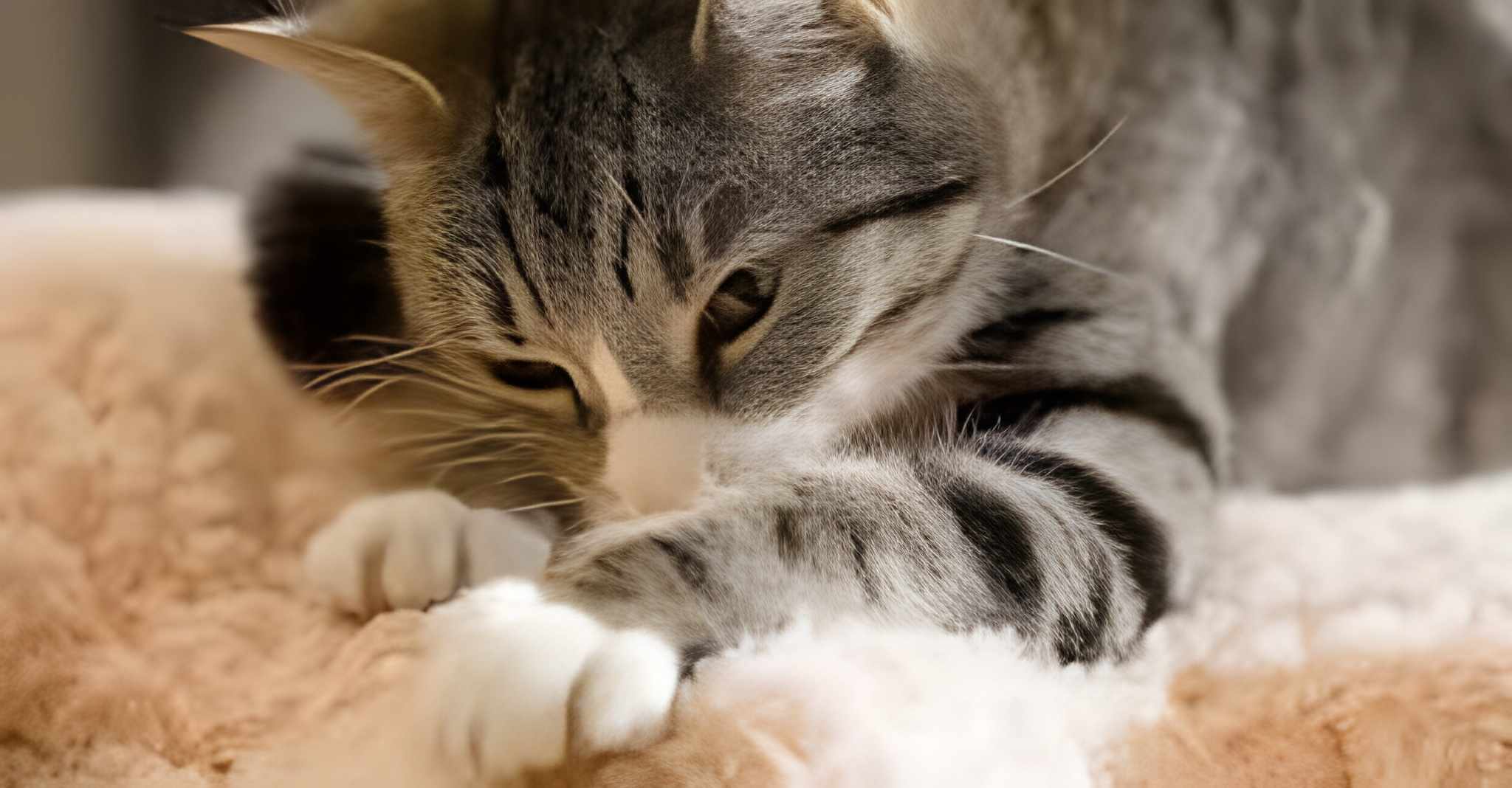
Interestingly, this instinct may also provide reassurance in stressful situations. Cats will often return to kneading when confronted with change, loud noises, or unfamiliar environments, signaling a behavioral tool designed to maintain emotional equilibrium. Recognizing these origins gives context to a behavior that might otherwise seem arbitrary or puzzling.
Emotional Functions: Comfort, Bonding, And Stress Relief
Kneading is not only instinctual but also deeply emotional. Cats use it to express contentment, comfort, and attachment. When a cat kneads near you, it often signifies trust and affection. Some cats knead while purring or nuzzling, combining physical contact with emotional signaling. Beyond bonding, kneading functions as a coping mechanism. In stressful circumstances—such as moving to a new home, encountering strangers, or experiencing loud noises—cats may knead as a calming ritual, reminiscent of the security they felt as kittens.
These emotional cues are subtle but powerful. By observing the context in which kneading occurs, owners can interpret their cat’s feelings accurately. It’s a reminder that cat behavior is layered: actions are seldom singular in purpose, blending instinct, emotion, and communication seamlessly.
Physical Benefits And Health Implications Of Kneading
Kneading serves several physical functions beyond emotional comfort. The rhythmic pressing stretches the muscles in the forelimbs, shoulders, and paws, promoting flexibility and mobility. Cats often extend and retract their claws while kneading, which helps maintain claw health and tendon strength. Additionally, the gentle movement may stimulate circulation and nerve endings in the paws, contributing to overall paw health and tactile sensitivity.
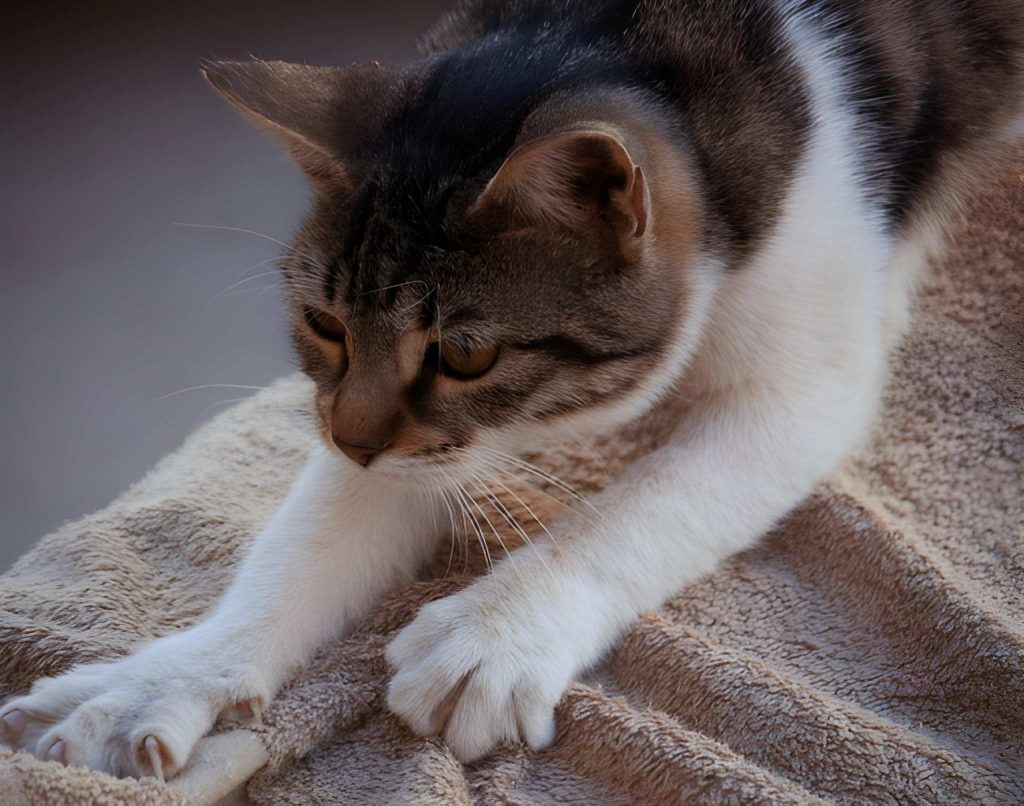
These physical benefits reinforce why kneading persists throughout a cat’s life. What seems like a simple, repetitive action is, in reality, an integrated behavior that supports muscular development, claw maintenance, and sensory awareness. Understanding these physiological advantages offers owners a fuller appreciation of why their feline companions engage in this repetitive behavior.
Preferred Surfaces And Environmental Influences
Cats are selective about where they knead, often choosing soft, pliable surfaces like blankets, cushions, or clothing. These textures replicate the comfort of a mother’s belly during kittenhood, offering stability while being forgiving to the paws. Environmental factors—such as warmth, safety, presence of humans, or even sunlight—also play a role in where and when kneading occurs. Some cats may prefer high vantage points, others cozy corners, reflecting their individual temperament and environmental comfort zones.
By acknowledging these preferences, owners can accommodate kneading behavior while protecting delicate furniture. Providing designated soft areas can satisfy the cat’s instincts and foster a harmonious living space. Observing surface preferences further deepens understanding of a cat’s sensory priorities and emotional needs.
Interaction With Humans: Understanding The Message
When a cat kneads on your lap or near you, it’s a sign of trust, affection, and bonding. Kneading is rarely aggressive; it’s a gentle, instinctual action indicating comfort and connection. Owners can respond by providing soft surfaces, petting gently, or simply allowing the behavior to occur uninterrupted. Understanding the intention behind kneading—rather than focusing solely on the inconvenience of claws—enables a more empathetic relationship and stronger human-animal bond.
Interpreting kneading as communication rather than misbehavior allows humans to engage thoughtfully with their pets. It emphasizes the importance of observing context, timing, and the cat’s overall demeanor to understand what this rhythmic behavior conveys in each individual instance.
Common Misconceptions And Clarifications
Many myths surround kneading, from notions of dominance to magical interpretations. In reality, kneading is primarily instinctual, emotional, and physiological. It rarely indicates aggression or territorial behavior. Misunderstandings can lead owners to incorrectly discourage the behavior, potentially causing stress for the cat. Recognizing kneading as a natural, multifaceted behavior helps owners provide supportive environments and better respond to their cat’s needs. Careful observation and education about feline instincts can dispel myths and ensure this endearing behavior is understood accurately.